Why collaboration matters for Dark Sky change.
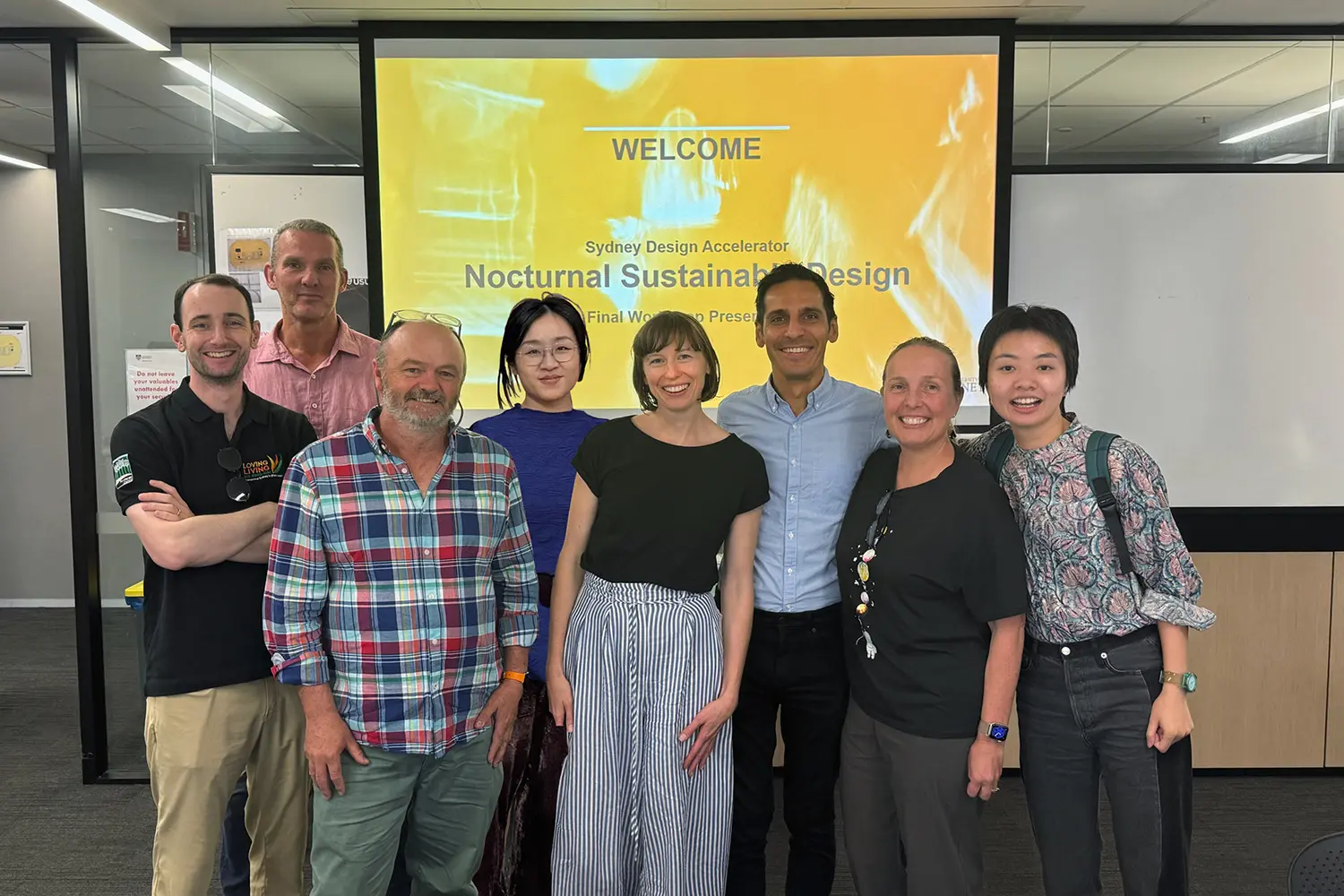
Over the past year, I was fortunate to be invited through the University of Sydney’s Design School to join the Nocturnal Design Collective — a group of researchers, designers, industry professionals, local government representatives and engagement specialists exploring how we might better design for the night.
What struck me most was how valuable a diverse stakeholder network is when tackling complex challenges.
Dark sky initiatives are not simply about lighting. They touch biodiversity, public safety, placemaking, tourism, heritage, community wellbeing, planning and infrastructure.
No single organisation or discipline holds all the answers.
Bringing together people with different expertise created richer conversations, challenged assumptions and uncovered opportunities that would not have emerged otherwise. Researchers provided evidence, councils shared practical realities, designers explored possibilities and engagement specialists helped connect ideas to community values.
It reinforced an important lesson for my consulting work: meaningful change happens when the right people are brought together around a shared goal.
While our grant applications were ultimately unsuccessful, the process demonstrated the power of collaboration and built relationships that continue to open doors for future projects and partnerships.
For dark sky initiatives — and many other complex community challenges — success depends not just on good ideas, but on creating networks that allow those ideas to be understood, supported and implemented.