It was nothing short of a genuine privilege to be invited to work with Queensland Parks and Wildlife Service on such an important and forward-thinking project.
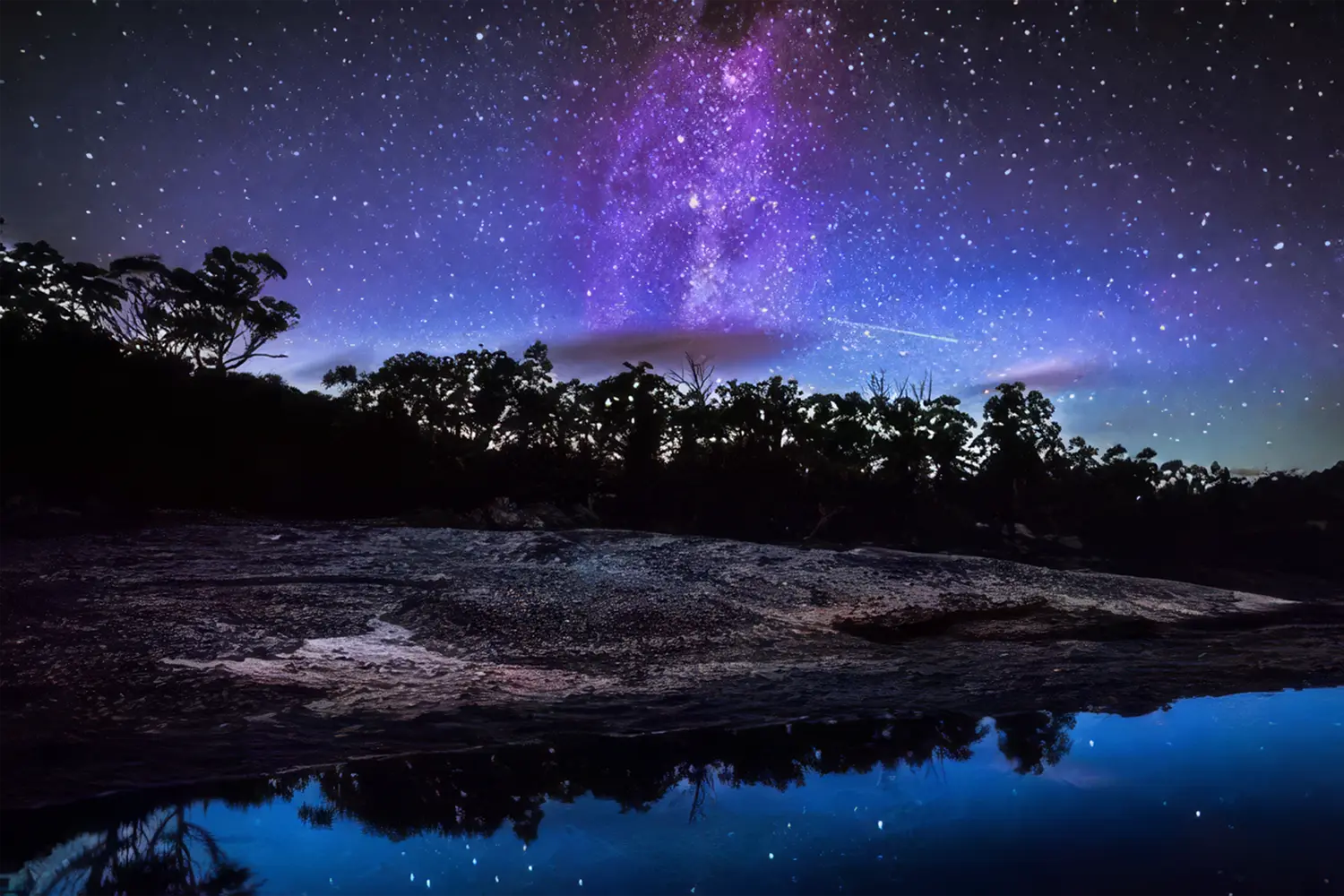
Together, we explored how dark-sky experiences could be thoughtfully integrated across Queensland’s protected areas through a conservation-first framework. The work involved developing a statewide strategy that considered ecological values, risk assessment, regenerative tourism opportunities, prioritisation of key locations, and a practical roadmap for phased implementation.
This was a significant undertaking, examining how Queensland’s vast network of national parks and protected areas could benefit from dark-sky tourism while strengthening conservation outcomes and protecting natural nocturnal environments. What impressed me most was QPWS’s willingness to think beyond daytime visitation and consider how the night-time environment can be managed, experienced and protected with the same care and strategic intent.
The project leaves me optimistic that Australia, led by Queensland, is beginning to make decisions about preservation, planning and mitigation that recognise the full 24-hour cycle of our natural landscapes. It is an exciting step towards ensuring that our dark skies, nocturnal wildlife and night-time experiences are valued as an integral part of our protected areas.
With three total solar eclipses set to pass through Queensland over the next 15 years, there is also a remarkable opportunity to align dark-sky tourism, night-time conservation and astronomy education. These rare celestial events can serve as powerful catalysts for public engagement, helping to build a lasting legacy of awareness, stewardship and sustainable visitation that extends far beyond the few minutes of totality.
By planning now, Queensland has the opportunity to create enduring benefits for communities, protected areas and visitors alike, using these extraordinary events as a gateway to a deeper appreciation of both the day and night skies.