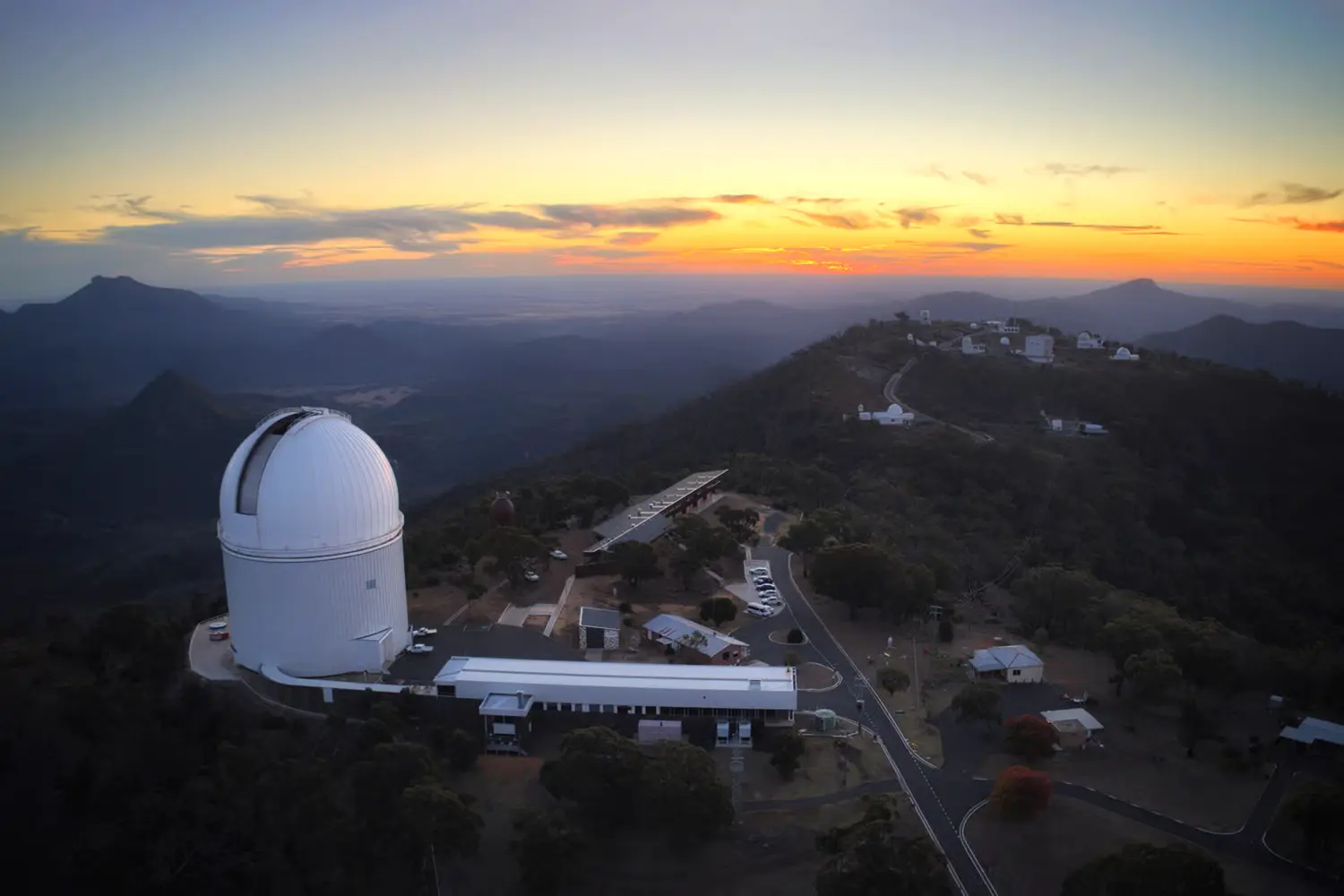
The designation of the Warrumbungle region as an International Dark Sky Park marked the first step in a significant journey that helped establish the region as a global leader in dark sky protection. This achievement was later strengthened by the inclusion of Siding Spring Observatory within the designation, creating one of Australia’s most important dark sky conservation success stories.
The role I played was to bring together the research, measurement, reporting, community engagement, tourism development and long-term advocacy needed to achieve and maintain this recognition. The work included coordinating night-sky data, preparing formal documentation, supporting internationally compliant signage, contributing to regional lighting guidelines, and helping ensure that dark sky protection was understood not only as an environmental issue, but as something that delivered tangible benefits to the local community.
Success depended on collaboration across councils, schools, community groups, tourism operators, Siding Spring Observatory and Warrumbungle National Park. Beyond meeting the technical requirements of designation, efforts focused on building local understanding, strengthening visitor experiences and supporting practical lighting improvements throughout the region.
Through this work, the Warrumbungle region has become recognised not only for the quality of its night skies, but for its commitment to protecting them. The project remains an important example of how dark sky protection can support science, tourism, education, environmental stewardship and regional identity, while demonstrating how regional communities can work together to achieve internationally recognised conservation outcomes.
Ten years on from its designation, it is particularly rewarding to see the community fully embracing the opportunities that dark sky protection has created. What began as a conservation initiative has evolved into a source of regional pride, supporting new jobs, tourism experiences, businesses and educational opportunities, while ensuring that the region’s extraordinary night skies remain protected for future generations.